Frederick Douglass
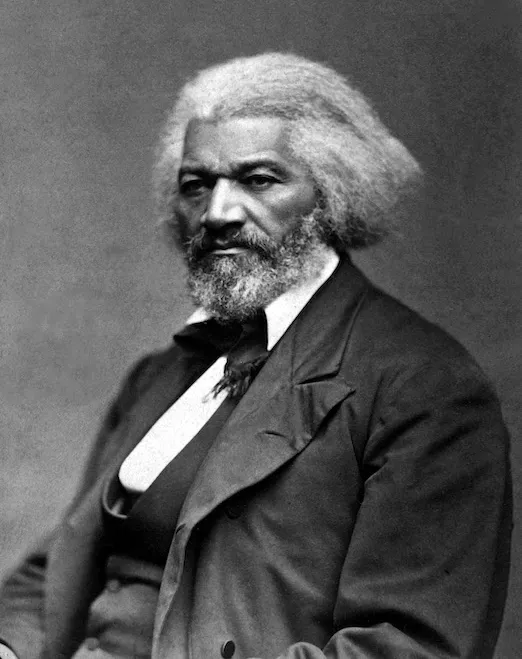
Frederick Douglass (1817-1895) was a writer, an activist, an orator, a philosopher, and an American hero. He was born into slavery in Maryland, and escaped from bondage in 1838. He became a vocal leader of the American abolition movement. In 1845 he published his first autobiography, Narrative of the Life of Frederick Douglass, an American Slave, Written by Himself. Douglass traveled around the United States and Great Britain, making speeches about his life and his cause. He also attended the Seneca Falls Convention, and supported the movement for women's suffrage. In 1852, Douglass was invited to speak at a Rochester event commemorating the signing of the Declaration of Independence. There, he delivered his most iconic speech, "The Meaning of July Fourth for the Negro." At the time of the event, there were 3.2 million people enslaved in the United States.
Narrative Of An American Slave
The Narrative of the Life of Frederick Douglass is a vital historical record that illuminates the brutalities and dehumanization suffered by those who were slaves. Douglass's powerful and piercing testimony dispels common misconceptions and shows how hypocritical a country might be while yet upholding the system of slavery. Furthermore, Douglass's personal and intellectual development throughout the story is a potent example of the transformational power of learning and the pursuit of knowledge in the face of difficulty.
The power of knowledge, the value of resistance, and the degrading character of slavery are some of the concerns that Douglass raises. Pay attention to these ideas and demonstrate the lasting effects of slavery in America, as well as Frederick Douglass' extraordinary life and accomplishments.
The Meaning of July Fourth for the Negro
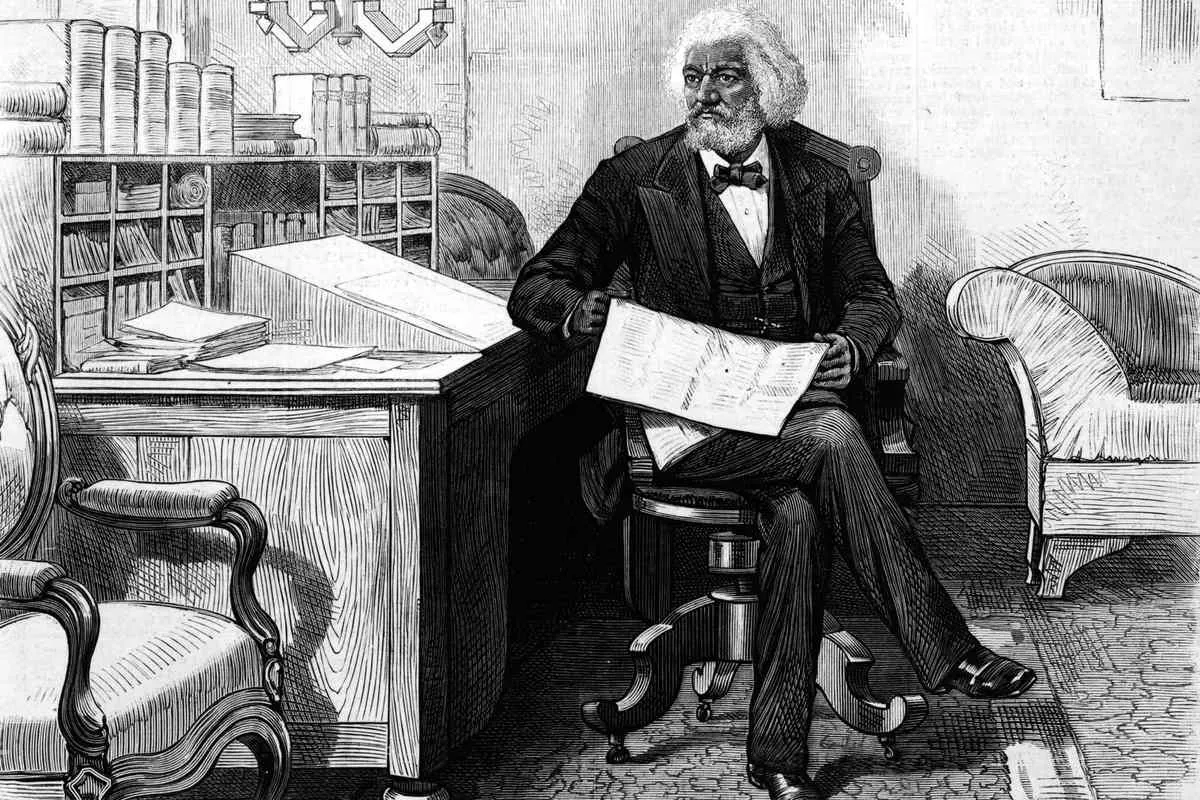
On July 5, 1852, Douglass gave a provocative lecture titled "The Meaning of July Fourth for the Negro." Douglass questioned the immorality of celebrating American independence and freedom when African Americans were still held in slavery and denied fundamental human rights while speaking to a mostly white audience in Rochester, New York. This speech urges both white and black Americans to address the moral inconsistencies in their country and serves as a forceful indictment of racial injustice and a call to action.
The speech given by Douglass is a chance to critically evaluate past and present American battles for racial justice. The significance of speaking truth to power, the influence of rhetoric, and systematic racism are among the topics that are encouraged for student investigation.
As you read his autobiography, pay attention to Douglass' thoughts on education. In the speech, consider Douglass' relationships with the Declaration of Independence and the Constitution.