From Our News Archive
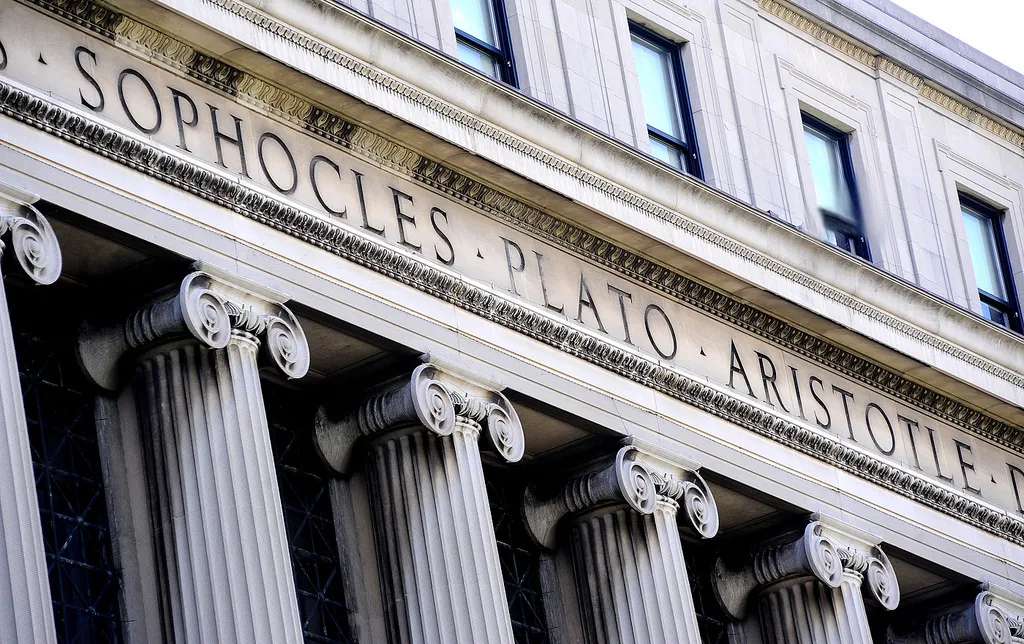
Freedom and Citizenship's Casey Blake, Tamara Tweel, and Roosevelt Montás write: "Ownership of the democratic tradition is key to a civic education. [Political Philosopher Danielle] Allen understood that if students formed a personal relationship with a text, if they acquired it as a work that awakened their own civic intelligence, they would move from passive recipients of a heritage that they didn’t believe was theirs to active participants in shaping their country’s democratic future.
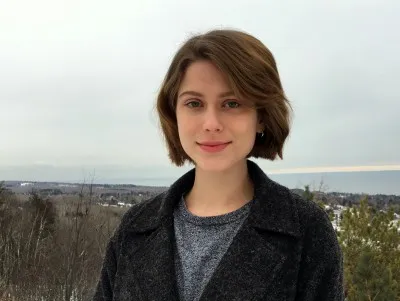
Undergraduate Teaching Fellow Sophie Wilkowske has received a Gates Cambridge Scholarship to pursue a an MPhil in political thought and intellectual history at the University of Cambridge. Sophie is one of thirty-six American students to receive this highly prestigious award. She intends to study the place of children in relation to early modern European economic thought. A Columbia College history major, Sophie has worked as a research assistant for Professor W. Bentley Macleod and Professor Carl Wennerlind, and performed extensive archival research at Columbia's Rare…
Image Carousel with 6 slides
A carousel is a rotating set of images. Use the previous and next buttons to change the displayed slide
-
Slide 1: Students at the United Nations
-
Slide 2: Students and TAs at the Whitney
-
Slide 3: TA working with Student
-
Slide 4: Roosevelt Montas in Class
-
Slide 5: Roosevelt Montas in Class
-
Slide 6: TA with students
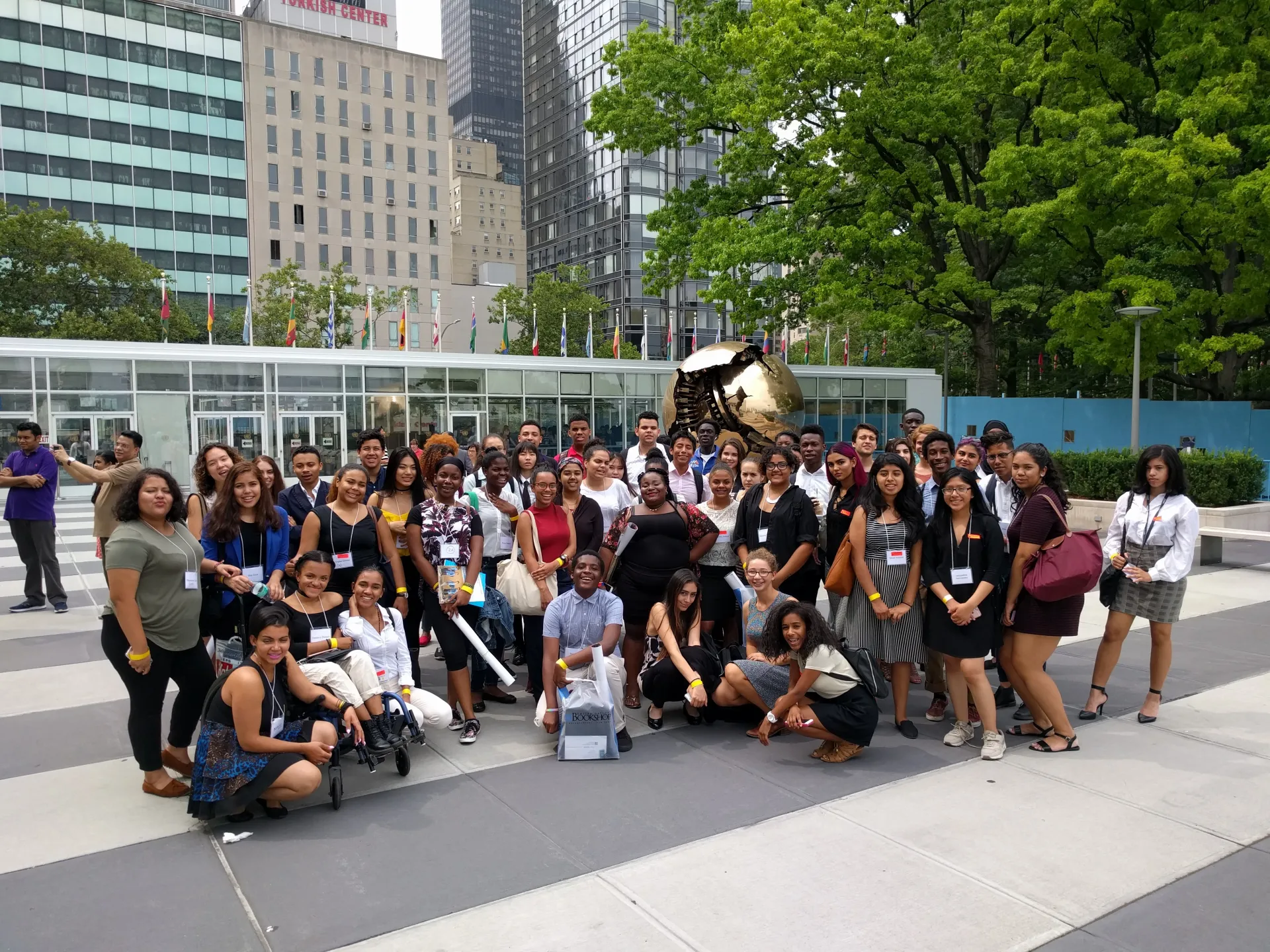
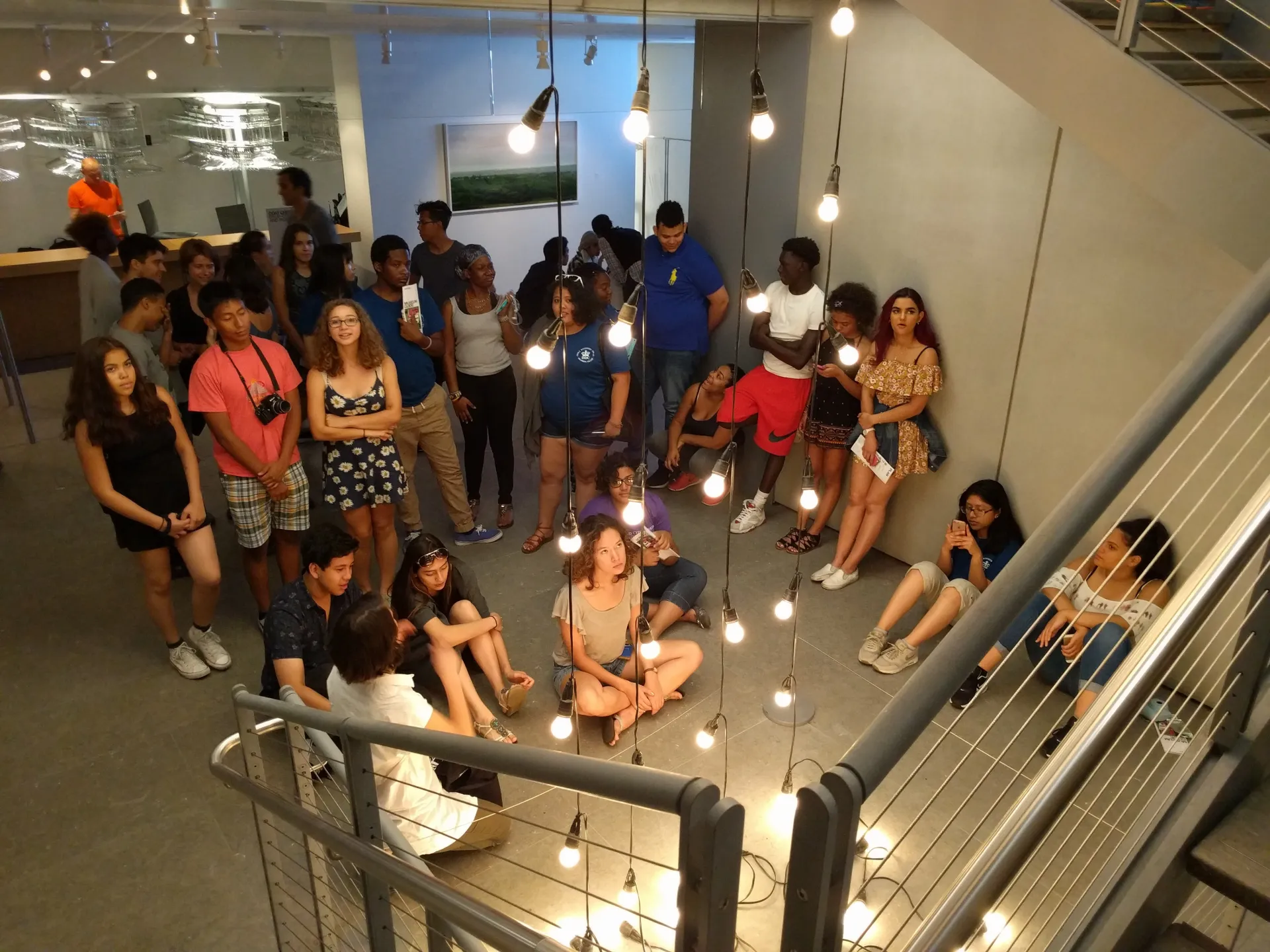
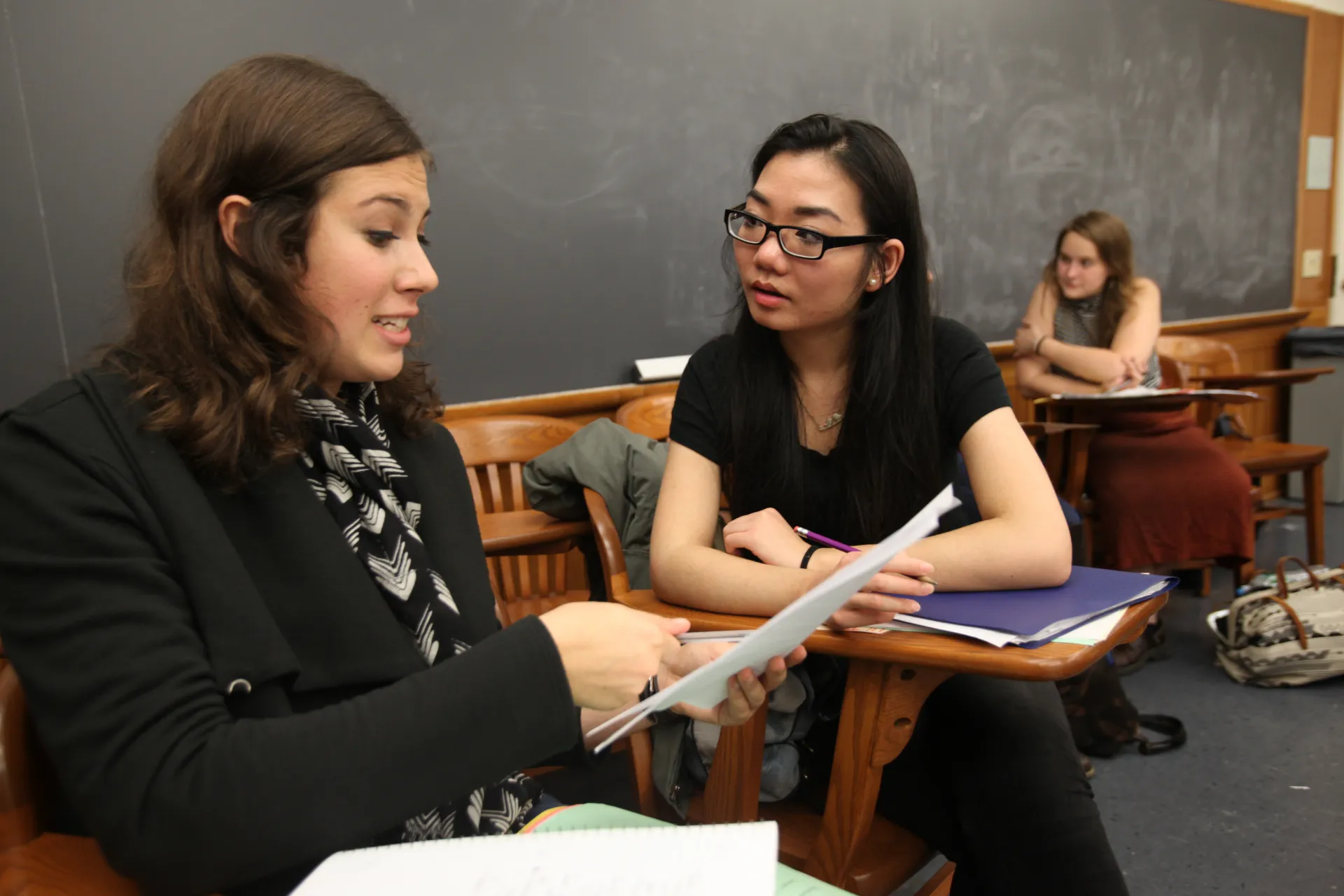
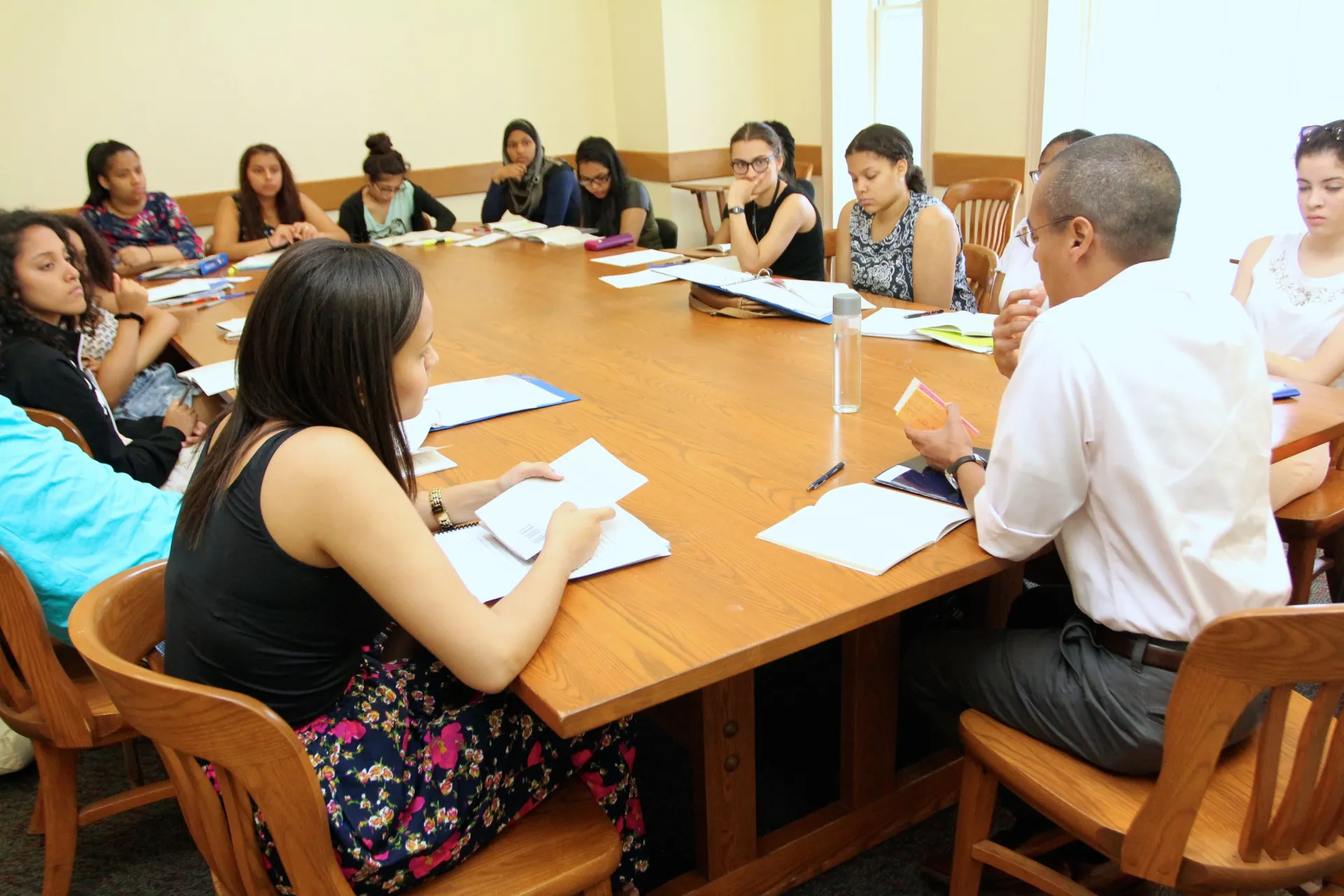
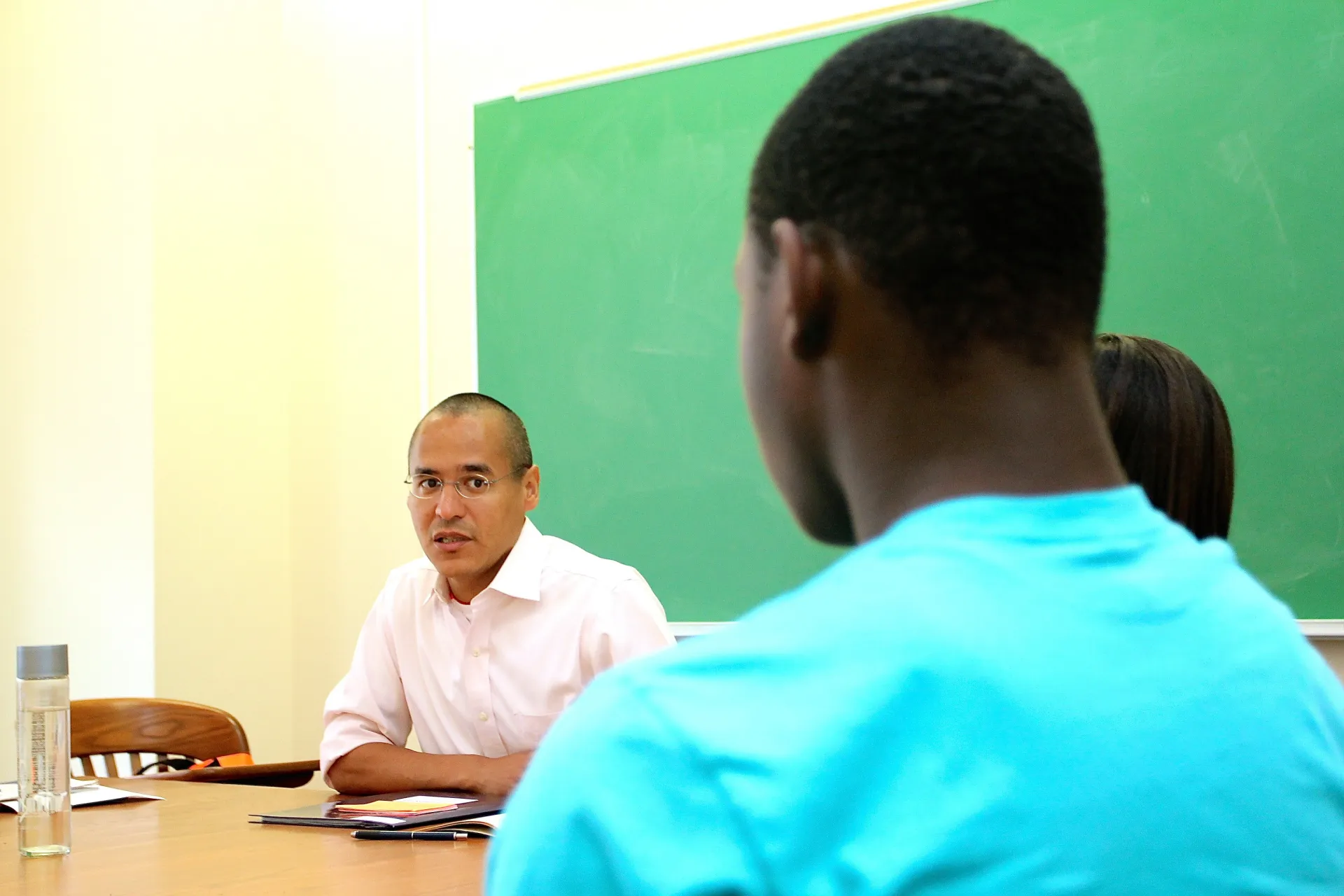
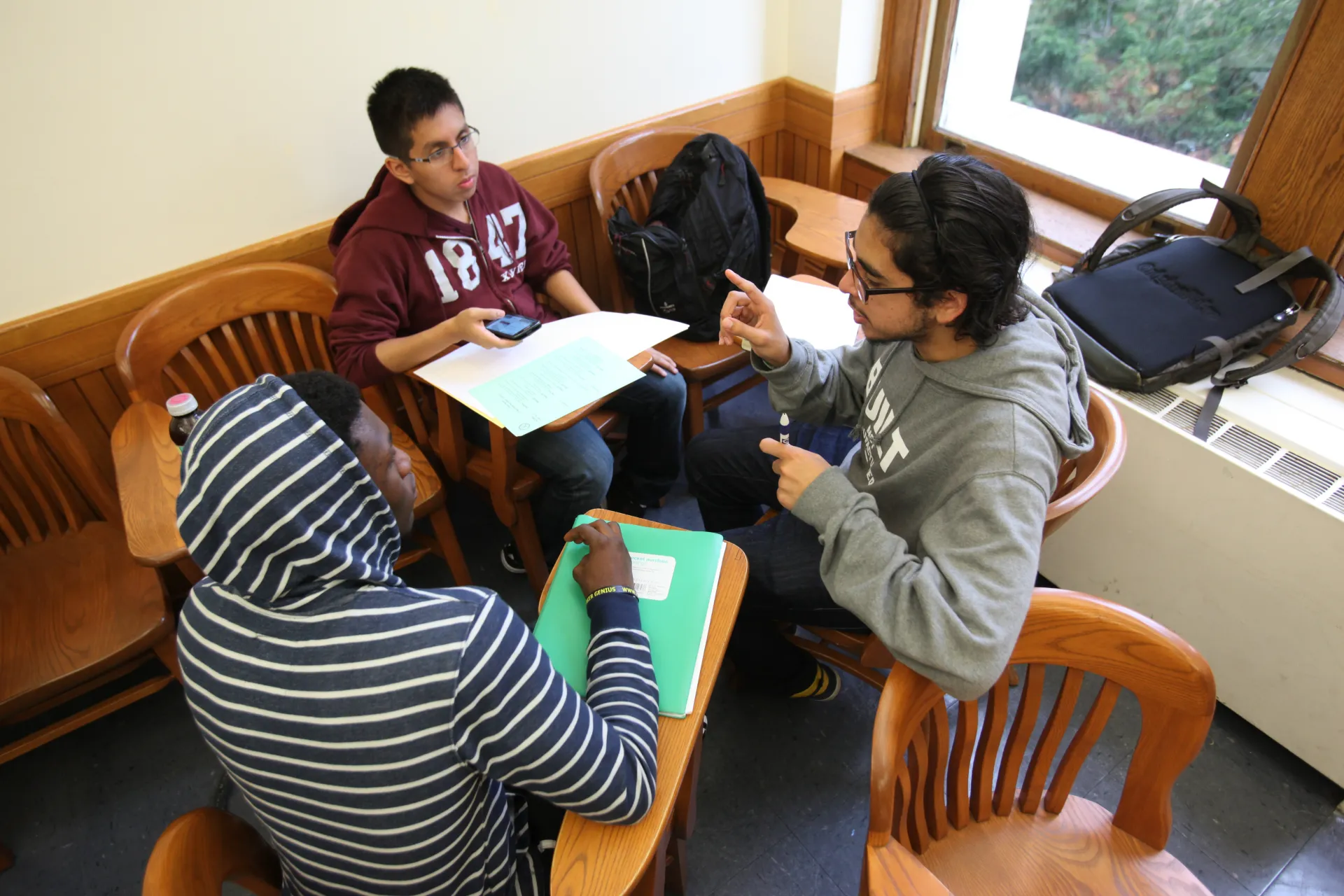
Every year the Center for American Studies hosts a summer enrichment program for low-income NYC high school students called Freedom and Citizenship. This summer we will be hiring as many as 9 paid undergraduate teaching assistants and encourage American Studies majors and concentrators to apply.
As its name suggests, this three-week intensive seminar explores questions of freedom and citizenship, as well as political rights, protest, and civic education. The course is modeled on the CC syllabus and is taught in three sections by Roosevelt Montás, Tamara Tweel, and Dan-el Padilla Peralta…
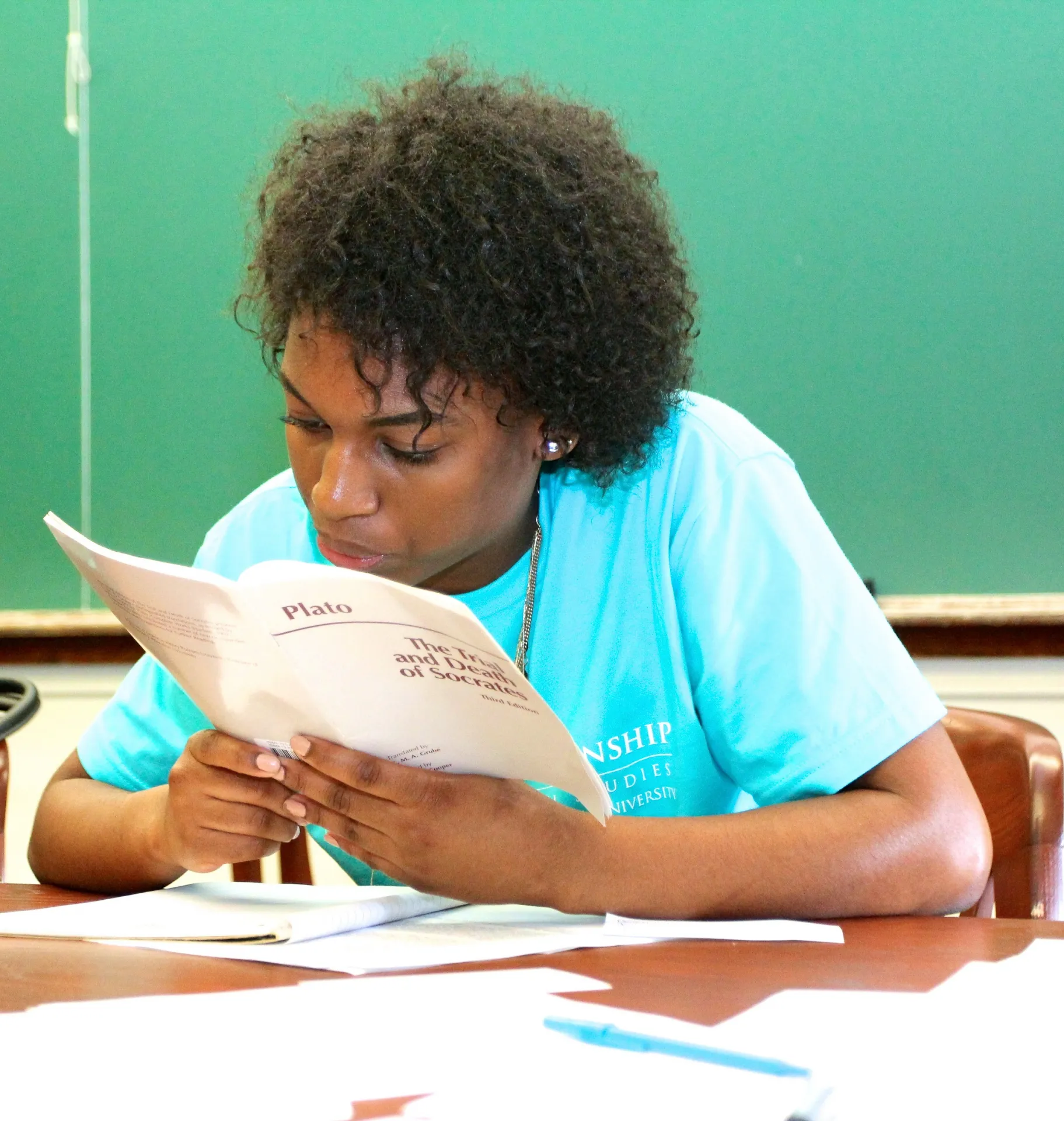
In a New York Times Op-Ed, Frank Bruni writes: [Freedom and Citizenship] assumes that these kids, like any others, are hungry for big ideas. And it wagers that tugging them into sophisticated discussions will give them a fluency and confidence that could be the difference between merely getting to college and navigating it successfully, all the way to completion, which for poor kids is often the trickiest part of all.